(Re) Visiting Vigo

Saturday 20 January 2024

Last night we sat on the quayside and watched yachts sailing in the estuary between Moaña, on the northern side, and Vigo, on the southern side. 


Almost 40 years ago, when Dave was in his twenties, he sailed into Vigo with my dad on Ocean Venture, a 43ft Oyster yacht which he and dad had fitted out.


That was Dave’s first delivery trip and Vigo was the first port they stopped at after setting sail from Britain, heading for Turkey, where it would be chartered out. Biscay was kind to them and he remembers Vigo fondly as they received a wonderfully warm welcome from the local yacht club - Real Club Nautico. The bar was busy when we walked past it today as it was all those years ago.


Driving into cities in Spain can be a little stressful, not because of the drivers, who we’ve found to be very careful and considerate, but because parking is a huge issue. So we decided to take the short ferry across the estuary - it costs €2.40 per person, runs every hour and takes just 15 minutes.

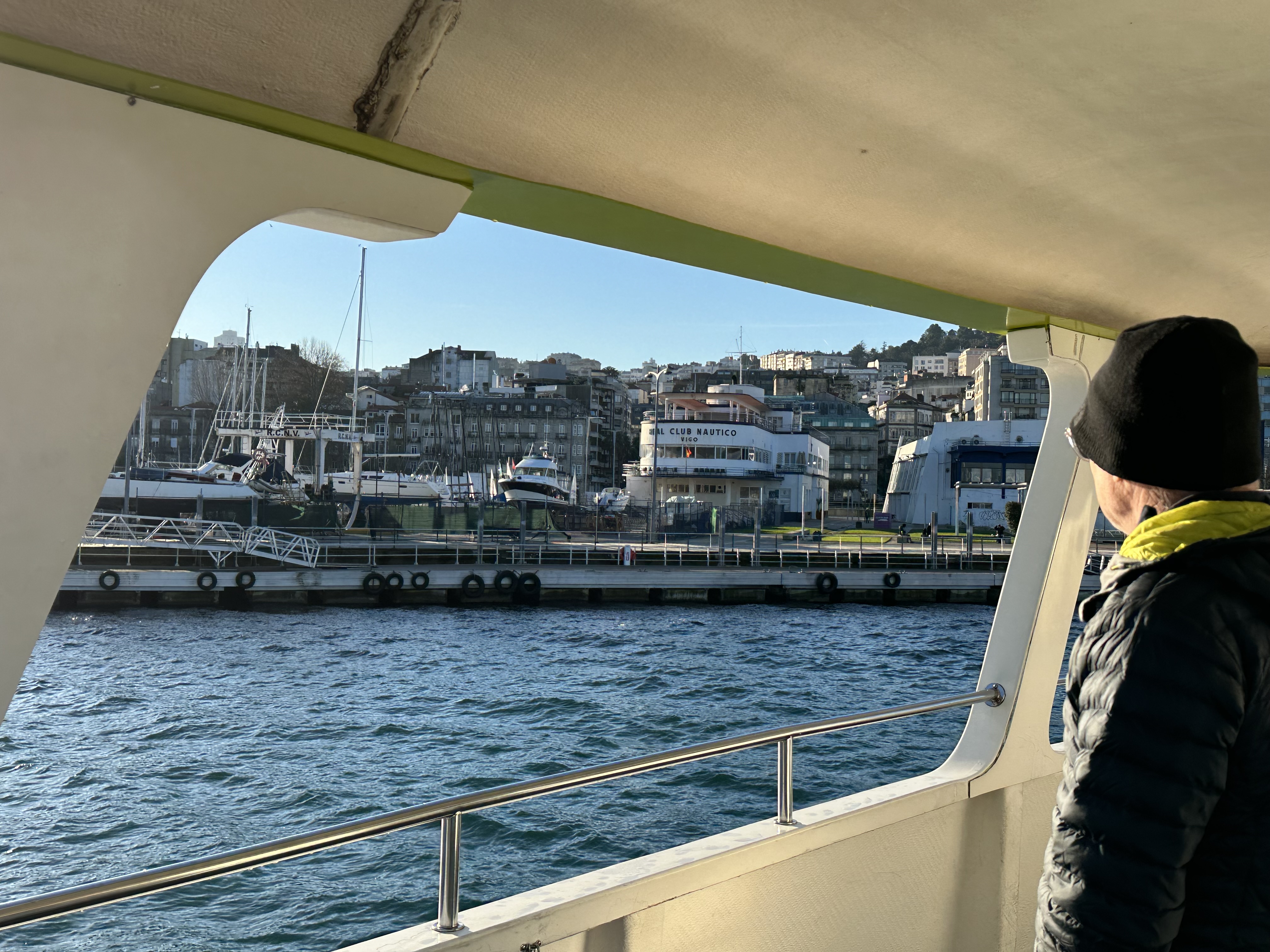

Arriving in a busy harbour by boat is always interesting, massive cargo ships dwarfed the tiny Optimist dinghies, ferries taking tourists out to the Cies Islands changed course slightly to give way to yachts under sail. Rules of the road apply out in the open water as they do when you’re behind the wheel of a vehicle. 


Vigo was an interesting city, we walked up to the fortifications at Castelo do Castro from where you can see for miles. And we sat in a cafe drinking coffee and enjoying a little pastry treat whilst watching the massive Christmas tree in the central plaza being taken down by crane. 


Back in the harbour waiting for our return ferry to come alongside I noticed how small the entrance was to the inner harbour where dad and Dave tied up for the night. When you approach or enter a harbour you should always keep the red buoys or markers to the left (port side) of the boat. 


And how do you remember which side is your port side and which side is your starboard side? Well there’s a simple sentence to remember …. ‘There’s no RED PORT LEFT in the bottle’ 


Coincidentally that’s where we are now heading … Adios Spain 🇪🇸 (for now) and Olá Portugal 🇵🇹 

Red sky at night ….

Thursday 18 January 2024

Tonight is the first night we haven’t parked up in an ‘official’ parking place for campervans. We have a lovely view of the large estuary in Galicia that the River Tambre flows into. In the distance we can hear the waves lapping on the rocks and the sun has just set.


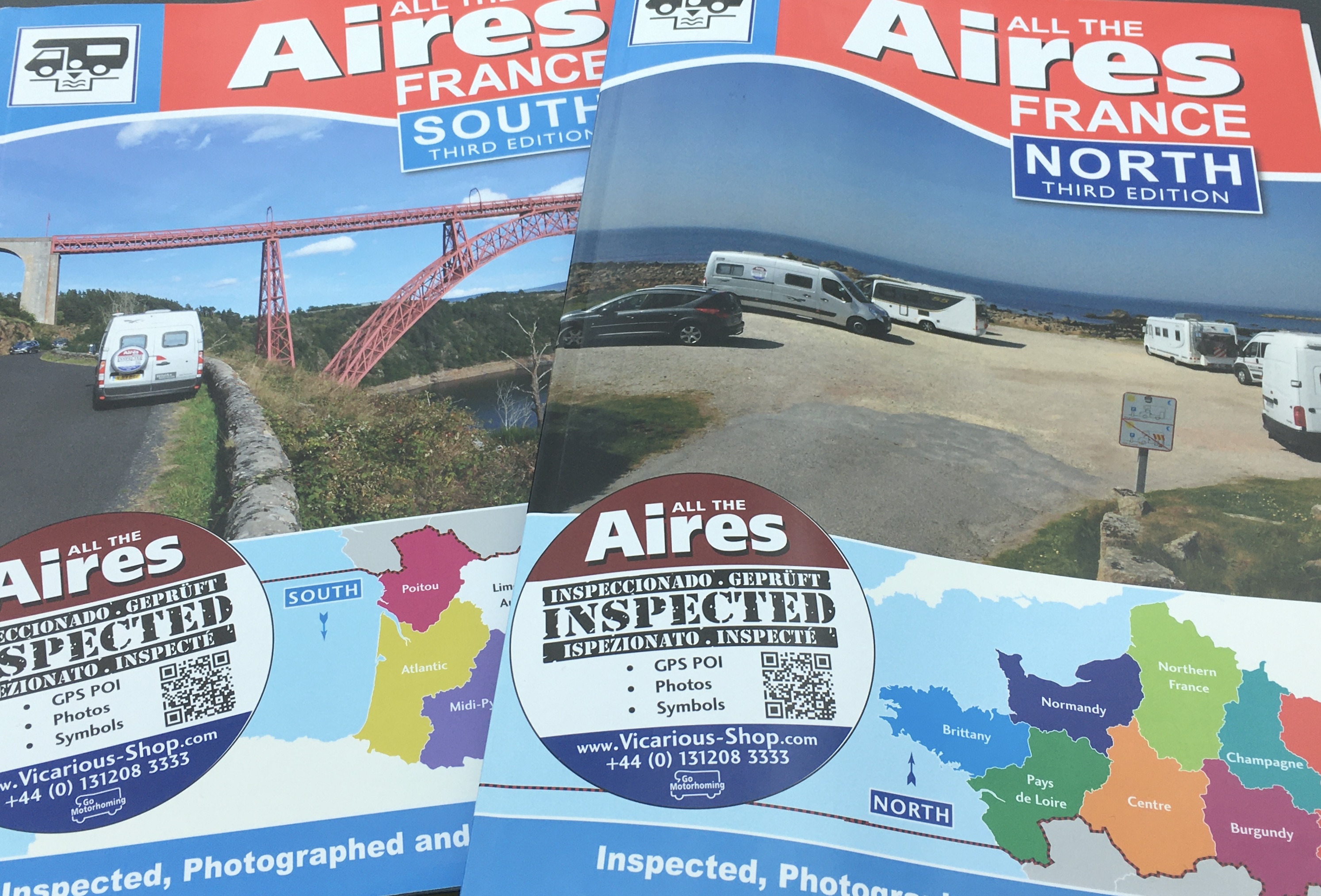
On previous roadtrips we found that in France almost every village and definitely every town has an ‘Aire’ where at least one car park is set aside solely for campervans and motorhomes. There are about 4000 Aires across France and most are free to use and many also provide water, waste disposal and electric either free or for a nominal charge.


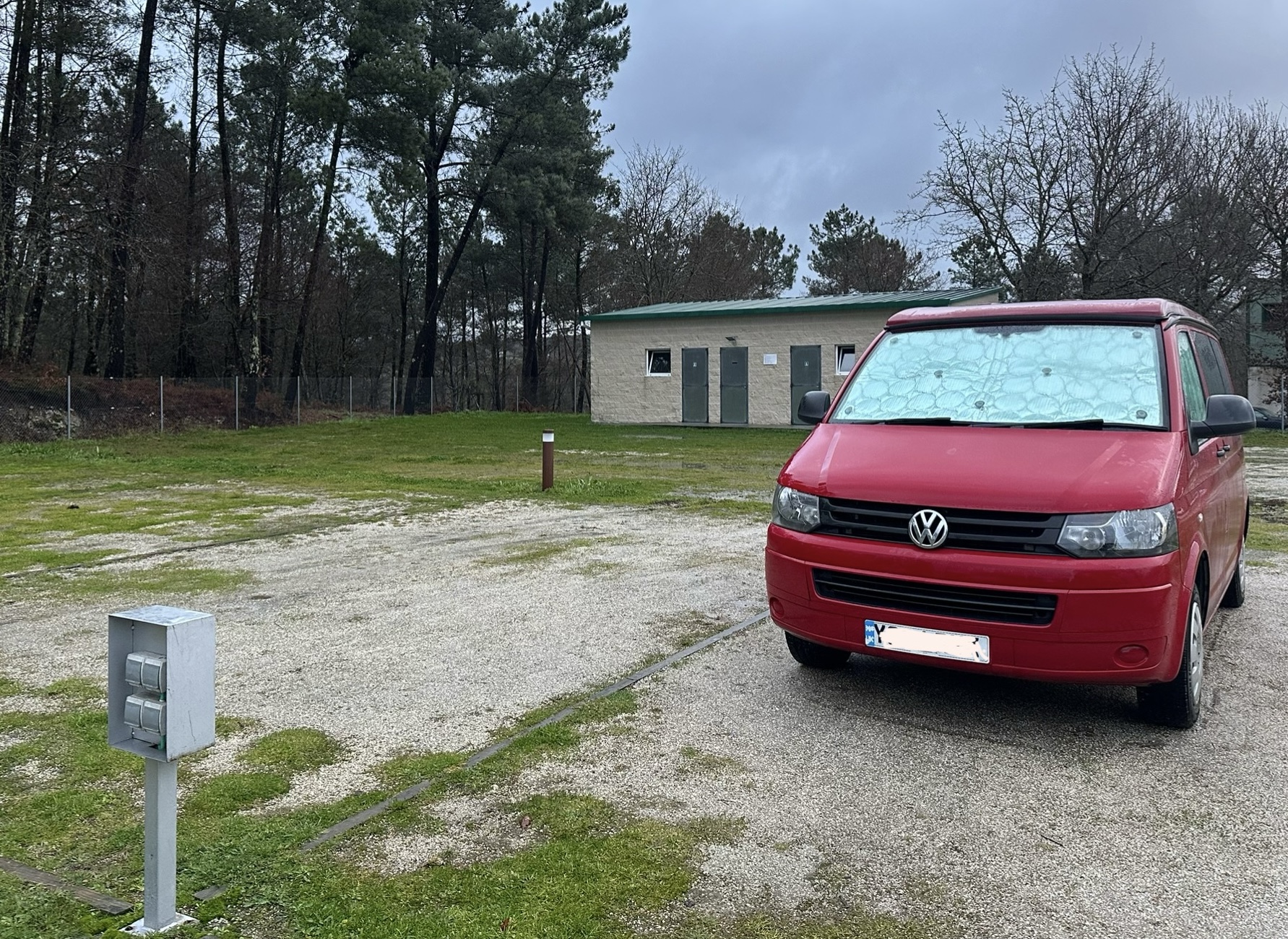
It’s been great to find that Spain is also well set up with ‘Area de Autocaravanas’ in many towns, and we’ve been stopping overnight in these up until now. All the ones we’ve stayed in have been free to use and provide the basics - water, rubbish bins and waste water disposal. They are generally located on the outskirts of a town but within walking distance of bars, cafes, restaurants and small supermarkets. That way the community gets the tourists €’s but avoid having them driving through in their large vans clogging up the towns. Last nights stop for us was on the outskirts of a village in the middle of nowhere but had toilets and hot showers. Amazing facilities provided by the local community, for free, to encourage visitors to the area.


No worries about upsetting the neighbours here!


In general in Britain parking ‘off grid’ is massively discouraged. The thinking is that we should use campsites - but many people in campervans and motorhomes don’t travel like that. We often only want to stay for one night and many campsites have a minimum stay of 2, 3 or even 7 nights. Many of us don’t need electric hook ups, showers and toilets, and all the other services campsites provide. We basically need a level parking space with sufficient room to park your vehicle whatever length it is, close enough to places we can eat or drink out. Slowly some councils are waking up to this, like Northumberland where we stayed last summer. But it’s a huge faff having to book online months in advance to guarantee one of the limited number of spaces available.


Anyway back to Spain - we’re not alone in our little car park at the end of the road, there’s a large motorhome from the Netherlands (who’s nabbed the best sea view spot) and a smaller van with Spanish plates. No one is bothering anyone, we’re not parked up in front of anyone’s houses and we have nothing outside of the van (chairs/tables/washing etc!) which is a huge no-no and the easiest way to be fined or moved on by the police.


Best of all the forecast for tomorrow is for it to be sunny with a fresh breeze. “Red sky at night, shepherd’s (or sailors!) delight…..”

Let there be light

Sunday 14 January 2024

Neither of us are the least bit religious but that doesn’t mean we don’t appreciate the architecture, art and music of places of worship. The sheer scale and beauty of cathedrals always makes them a draw and we’ve visited a few on the trip so far.

In Jaca we entered the very dimly lit cathedral and waited till our eyes adjusted  before starting to walk round - unusual we thought. It wasn’t until we were half way round that the next visitors entered, who obviously knew the drill. They put money in the donation slot (which we hadn’t seen because it was almost pitch black) and the lights instantly all came on.  


In Pamplona and Bermeo the cathedrals were closed but the one in Leon was open and was rather splendid with its stained glass windows, flying buttresses and huge wooden doors. We paid an entry fee so no worrying about putting euros in the meter here!


Flying buttresses 

Today we visited Praia de las Catedrais which translates to Beach of the Cathedrals. The sun gods were shining on us and we timed the tides perfectly to visit the beautiful sandy beach with its spectacular rocky coastline. Said to resemble the arches, columns, domed ceilings and flying buttresses of a cathedral these 30 meter high rock formations can only be fully appreciated and visited at low tide. 


In the peak summer months access to the beach is strictly controlled and only 4812 (seems a very specific number!) people are allowed to visit each day. You book online and it’s free but I have no idea how they manage the huge crowds the beach must attract or how they fit everyone into the two small car parks. 


There couldn’t have been more than a hundred people on the beach today so we were very lucky to see it in its best light.

Weather Watchers

Friday 12 January 2024

We’d been keeping one eye on the weather forecast and the other on the distant hills as we travelled west along the Cantabrian coast. Conscious that rain falling on us at sea level would be falling as snow in the Picos de Europa mountains. We don’t mind the snow, the van has winter tyres on and we carry snow chains in case things get serious. 


We were hoping for a dry spell for a couple of days and the forecast suggested Friday might be our best, and possibly only, window for a while. So on Thursday we drove up through the River Cares gorge and stopped at Potes, a pretty village with a number of stone bridges crossing the river. The village is a base for tourism in the area and a 15 minute drive from here leads you to the Fuente Dé cable car. Although the cafe was open for business the cable car wasn’t going anywhere today, probably due to the very poor visibility or the sparse number of visitors.


Onwards towards Riaño we drove for miles through the mist eventually popping out above the clouds at a pass of 1609 meters (5,279 feet). The snow which had fallen over the previous days was thick on the verges and hillsides but the roads were perfectly clear and well gritted. Patches of blue sky appearing looked promising. 


The designated car park for campervans at Riaño was unusable being thick with snow and on an incline so we parked opposite and quickly put up all the silver thermal blinds and pulled the curtains shut to keep the heat in. It’s a relatively new town built when they flooded the valley containing the original village of Riaño along with seven other villages, back in 1987 to create a large reservoir. The ‘new’ church was built using the stones from the original church and nearby are all the bells saved from all the submerged churches.


Overnight the temperature plummeted to -5 but no more snow fell. Inside the van we snuggled up in our sleeping bag and wore extra layers. Dave even slept in is wooly hat, my mop of unruly thick hair thankfully keeps my head warm. 


As promised the skies were clear and blue the next morning & we continued our trip through the Picos (with temperatures dropping to -11 at one point) and then headed down the valley towards León where it had ‘warmed up’ to -3 degrees!! In time for coffee and a cake.